Gift Aid and church giving: what donors should know before 31 January
Gift Aid adds 25p to every £1 you give to a church or charity, and higher-rate taxpayers can claim extra relief on their tax return, which is due by 31 January 2027. A plain-English summary of the GOV.UK rules. General information only.
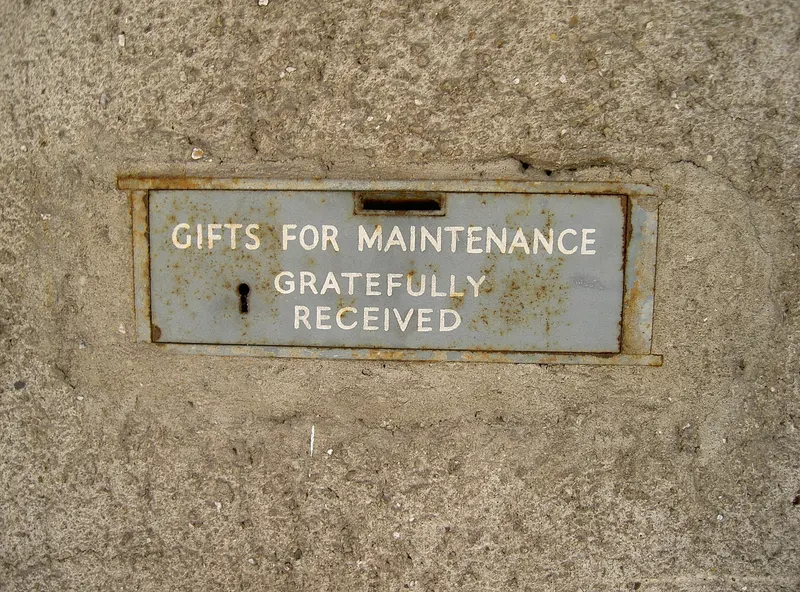
Many churches are charities, and many ask regular givers to fill in a Gift Aid declaration. It costs the giver nothing and adds a quarter to what the church receives. With Self Assessment tax returns for 2025–26 due by 31 January 2027, now is a good time to understand how it works, including the extra relief for higher-rate taxpayers.
This article is general information based on GOV.UK. It isn't tax advice. Your own position depends on how much tax you pay, so check GOV.UK or contact HMRC if you're unsure.
How Gift Aid works
GOV.UK explains that charities, including churches registered as charities, can claim an extra 25p from HMRC for every £1 you give, and that it "will not cost you any extra". For the charity to claim, you need to make a Gift Aid declaration for that charity; the church or charity gives you the form. One declaration can cover your current and future donations, and donations made in the last four years.
You need to have paid enough tax
This is the key condition. GOV.UK says you should only sign a declaration if you have paid enough Income Tax or Capital Gains Tax in the tax year (6 April to 5 April) to cover what the charity will reclaim. In practice, your donations must not be more than four times what you paid in tax that year.
If the church reclaims more than you paid, HMRC may ask you to pay the difference. So if you retire, stop working or your income falls, tell the church and any other charity you give to. GOV.UK asks you to tell charities when you stop paying enough tax.
Higher-rate taxpayers can claim more
If you pay tax above the basic rate, you can claim back the difference between the tax you paid on the donation and what the charity got. GOV.UK gives the example of a £100 donation, which becomes £125 for the charity with Gift Aid; a 40% taxpayer can claim back £25 for themselves.
You can claim either on your Self Assessment tax return or by contacting HMRC and asking them to change your tax code. GOV.UK confirms the process is the same in Scotland. If you don't fill in a tax return, you can contact HMRC: claims of £5,000 or less can be made by phone, larger ones in writing.
The 31 January deadline
GOV.UK's deadlines page says online tax returns for the 2025–26 tax year must be sent by 11:59pm on 31 January 2027, and any tax owed paid by the same time. (Paper returns were due by 31 October 2026.)
There's also an option to claim relief sooner: you can include donations made in the current tax year, up to the date you send your return, on last year's return. GOV.UK lists conditions, and this isn't possible if you miss the deadline. Read the GOV.UK page before you decide.
Cash in the collection plate
Not everyone fills in a declaration, and visitors at Christmas services often give cash. GOV.UK describes the Gift Aid small donations scheme (GASDS), which lets a charity claim a 25% top-up on donations of £30 or less without a declaration. It covers cash and, since April 2019, contactless card donations, up to a limit of £2,000 in donations each tax year. Charities with a community building, such as a church, may be able to claim more, and there are conditions about claiming Gift Aid in the same year. That part is for your church treasurer rather than for givers.
Giving cheerfully
None of this changes why people give. As Paul wrote to the church in Corinth:
"Let each man give according as he has determined in his heart, not grudgingly or under compulsion, for God loves a cheerful giver." — 2 Corinthians 9:7 (WEBBE)
If your church is planning a fundraiser this season, our article on Christmas Jumper Day, raffles and tombolas covers the rules for prizes and tickets. And before you give clothes rather than money, see giving old T-shirts a second life, which explains how to check a charity is registered.
Shirt pictures are our illustrations — designs on Amazon vary.
Sources
- GOV.UK — Donating to charity: Gift Aid
- GOV.UK — Self Assessment tax returns: deadlines
- GOV.UK — Claiming Gift Aid: small donations scheme
- eBible.org — 2 Corinthians 9 (World English Bible British Edition)
Checked 23 November 2026.
Published 23 November 2026.